
Napoleon: An Insight into the Classic Card Game
The card game Napoleon, a classic yet intriguingly strategic pursuit, has gained popularity among enthusiasts around the globe. Rooted deep in history, the game employs a unique blend of strategy, chance, and skill, offering players an engaging and enriching experience. With the rise of online gaming platforms such as KFPP A Plataforma de Apostas #1 do Brasil KFPP.Com, this traditional game finds new avenues to reach a broader audience.
Introduction to Napoleon
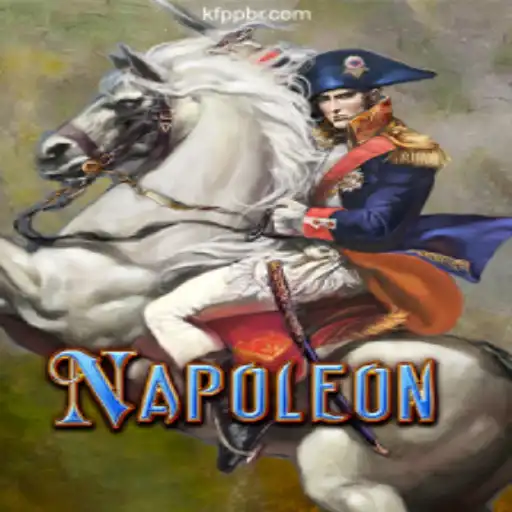
Napoleon originated in the early 19th century and is named after the famous French military leader Napoleon Bonaparte. It is a trick-taking game typically played by four to six players using a standard 52-card deck. As with many historical games, it has evolved leading to slight variations in rules depending on the region and the number of players.
The game itself is akin to Whist but with added complexity, encouraging players to utilize strategic bidding and trick-taking capabilities. Napoleon’s allure lies in its blend of simple mechanics combined with the depth of strategic maneuvering. Not only does it provide an excellent way to test one's tactical skills, but it also fosters a competitive yet social environment for players.
Understanding the Rules of Napoleon
Players and Deal
Napoleon is typically played by four to six players. The dealer is selected randomly, and they distribute the cards evenly among the players. Depending on the number of players, each participant might receive a different number of cards, but adjustments are made to ensure equitable distribution. The goal is for players to bid and win a number of tricks based on their hand.
Bidding Phase
The bidding process is a crucial aspect of Napoleon, with players declaring how many tricks they aim to win. The player with the highest bid takes on the role of 'Napoleon' for that round. The bidding is a silent process and plays a crucial role in determining the difficulty and strategy for each player.
Trick-Taking Phase
Once the bidding is complete, the game enters the trick-taking phase. The player who bid the highest leads the first trick. Players must follow suit if possible, with the highest card of the leading suit winning the trick. If a player can't follow the suit, they can play a trump card if a trump suit has been determined, possibly winning the trick. This phase continues until all cards have been played.
The skill in Napoleon lies in players’ ability to predict opponents' hands and control their tempo through strategic plays. Understanding card probabilities and opponent behavior plays a massive role in mastering Napoleon.
Current Trends and the Online Revolution
Currently, the landscape for traditional card games is changing due to digitalization. Platforms like KFPP A Plataforma de Apostas #1 do Brasil KFPP.Com are extending the reach of such games to digital audiences, introducing Napoleon to younger generations and different geographies, preserving the game's legacy.
With robust online platforms, players can embark on a Napoleon gaming experience anytime, making it easy to bring together enthusiasts from across the globe. This adaptation supports the growth of a vibrant online community, where players can share strategies, partake in tournaments, and challenge seasoned opponents.
Moreover, the online gaming boom propels Napoleon into the contemporary gaming ecosystem, attracting the attention of both traditional players and new-age gamers who have found interest amidst the rising popularity of card games in esports. This is a testament to the game's inherent genius and adaptability.
Napoleon in Modern Culture
As events worldwide amplify the social aspects of gaming, Napoleon also finds itself as a fascinating focal point in gaming culture conversations. The tactical acumen required in Napoleon, mirrored in many modern-day strategy games, ensures its relevancy and appeal, drawing parallels with trending gaming titles that emphasize strategy and skill over chance.
Current global events have indeed altered how games are perceived and played, prompting more communal and interactive virtual platforms. Platforms like KFPP contribute to this trend by ensuring the seamless transition of traditional games to the internet age, augmenting their popularity while conserving their intrinsic entertainment value.
In conclusion, Napoleon endures as a timeless game that provides an enriching amalgamation of strategy and social interaction. As it continues to captivate audiences through the lens of current technology and gaming trends, its impact on the cultural and gaming spectatorship is both significant and promising.